
Reduced or muffled hearing
Ear Microsuction
Professional earwax assessment and removal
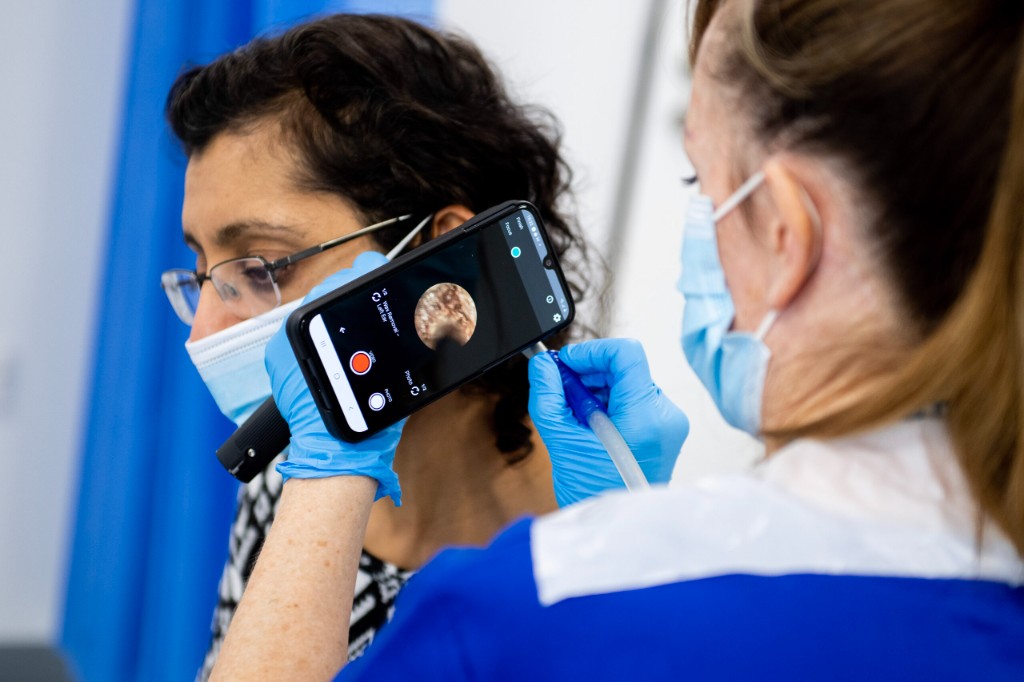
Microsuction removes excess earwax with a specialised suction device while the clinician views the ear canal. It is carried out after the ear has been assessed, and only when treatment is suitable.
Fees
- AssessmentFree
- One ear microsuction£55
- Both ears microsuction£75
Treatment is provided only where clinically appropriate following assessment. Appointment options and fees are confirmed when you book.
- Assessment before treatment
- Removal under direct view
- Appointments you can book online
When ear microsuction may be suitable
Earwax build-up can be associated with reduced hearing, a blocked sensation, discomfort or tinnitus. These symptoms can have other causes, so they are not assumed to be caused by wax. The clinician assesses whether microsuction is appropriate.
A blocked sensation or feeling of fullness
Ear discomfort
Tinnitus
Hearing-aid users who need wax assessed
Previous ear syringing that did not clear the wax
What to expect
- A discussion of your symptoms and an examination of the ear.
- An explanation of the findings and whether microsuction is appropriate.
- Removal with suction under direct view, when suitable. This is often possible at the same visit.
- Advice about aftercare, another appointment, or other care if needed.
Microsuction is used rather than water syringing. Wax cannot always be removed, and hearing symptoms do not always resolve.
Before your appointment
Olive oil ear drops may be suggested to soften wax, where that is clinically appropriate. They are not advised for everyone. Follow the preparation advice given for your own ear history, particularly if you have had a perforated eardrum, ear surgery, or discharge. Do not use cotton buds or put objects into the ear canal.
Possible effects
Most people tolerate microsuction, but it is not painless or risk-free. Possible effects include temporary discomfort, noise during suction, brief dizziness, temporary tinnitus or a change in existing tinnitus, and minor bleeding or irritation. Injury to the ear canal or eardrum is rare. Wax is sometimes only partly removed, so another appointment or a different approach may be needed.
After your appointment
Follow the advice given after treatment. Do not put objects into the ear canal. Seek medical advice promptly if you develop significant pain, persistent dizziness, bleeding, discharge, or worsening hearing.
Frequently Asked Questions
Common questions before an earwax appointment.